
A Beginner’s Guide to Health Screening in Malaysia
DTAPclinic Editorial · Information only
Published · Health Information· Independent health education for Malaysia — not a clinic and not medical advice.
Overview
This independent guide from DTAPclinic covers clinic services and patient education for readers in Malaysia. Below we explain a beginner’s guide to health screening in malaysia in accessible language. Content is for education only and is not medical advice, diagnosis, or a substitute for care from a registered provider.
With a wide range of health screening packages and medical checkups available today, you may feel unsure about which is right for you. Different screenings are recommended depending on age, gender, and health history. Understanding what types of health screenings exist and when to take them is key. It helps ensure timely disease management and early detection, which may support overall health and well-being.
What Are Health Screenings
Health screenings are medical tests or checkups done on a regular basis to give you a snapshot of your current health status, and not necessarily in response to having any specific symptoms. These tests aim to detect diseases or risk factors early, when treatment tends to be simpler and more effective. From blood tests to X-rays, mammograms, and abdominal ultrasound tests, screening plays an essential role in preventive healthcare. Whether you are a Malaysia citizen, permanent resident, or visiting an accredited clinic, regular health screenings may play a role in supporting long-term well-being.
Why Should You Go for a Regular Health Screening
Health screenings can help identify hidden health risks such as diabetes, high blood pressure (hypertension), high cholesterol, and even early-stage cancer. These are conditions that often develop quietly, showing no noticeable symptoms until complications arise. Screening may help individuals become more aware of their health status and seek timely care when needed. Especially for individuals with a family history of chronic disease or cancer, proactive checkups can provide peace of mind and a clearer health path forward. Additionally, health screenings aren’t just about detection. They also support disease management and lifestyle changes that can make a real difference in day-to-day well-being.
When Should You Get a Health Screening Check-Up
A general guideline is to undergo basic health screening packages once every one to two years, depending on age, gender, existing conditions, and risk factors. Some screening tests, like blood pressure checks, can be done more frequently, especially if you're already being monitored for a specific concern. During early adulthood, you may only require basic tests. That said, as you age, screenings become increasingly important. If you have risk factors or a family history of conditions such as colorectal cancer, breast cancer, or high cholesterol, your doctor may recommend earlier or more frequent testing. It’s better not to wait for symptoms. Some conditions may develop without symptoms, so screenings may help detect issues earlier.
Types of Health Screening Packages
Health screening packages can range from streamlined and targeted to comprehensive. Choosing one will depend on your medical background, age, and needs.
Basic Health Screening
Basic health screening packages typically include checks for obesity, diabetes, high blood pressure, and cholesterol-related concerns. Typical tests in a basic screening may assess: Full blood count Cholesterol profile Kidney function markers Liver function markers Blood glucose levels Thyroid hormones Some health providers may also suggest a urine test to identify signs of urinary tract infection or the presence of sugar (which may be associated with diabetes), chest X-rays to check for changes in the lungs, or an electrocardiogram (ECG) to record heart rhythm. Younger individuals, especially those with no significant medical history or family history of chronic illnesses, may consider having a basic screening once a year.
Comprehensive Health Screening
Comprehensive health screening includes additional tests beyond what is offered in a basic package. This approach may be advised for individuals with factors that could influence their risk of health concerns, such as lifestyle habits, job environment, or family health history. The decision to undergo extra tests is usually guided by a healthcare provider, who will also explain the purpose and considerations involved. Additional tests may include: Other hormonal, metabolic and nutritional labs Selected tumour markers Screening for certain infections, such as hepatitis A and B Tests for sexually transmitted infections Depending on your package, imaging tests may also be included, such as ultrasound of the abdomen, ultrasound of the pelvis (for women), and ultrasound of the thyroid gland. In some cases, you may also be asked to provide a stool sample to check for traces of blood, as part of screening for colorectal cancer.
Specific Health Screening
These can be the targeted health screenings designed to check for certain conditions, such as various types of cancer. These tests may be more suitable for individuals with a stronger family background of specific illnesses or those who have discussed concerns with a healthcare provider. For example, individuals with a family history of breast or colon conditions may benefit from earlier assessments.
Which Health Screening Tests Should I Consider Based on My Age?
Knowing which tests matter most during each life stage helps avoid unnecessary procedures while ensuring nothing critical is missed. In Your 20s to 30s At this age, focus on establishing a health baseline: Blood pressure Blood tests for cholesterol and glucose STI screening (if sexually active) Pap smear (for cervical cancer) every 3 years or HPV test every 5 years Dental and gum checkup BMI and nutritional assessment Vaccination status In Your 40s All screenings for 20s–30s Diabetes screening Health screening for cholesterol and high blood pressure Breast cancer screening (mammograms) for women Prostate gland evaluation for men Eye checks In Your 50s Colorectal cancer screening (e.g., faecal occult blood test or colonoscopy) Bone density screening (especially for postmenopausal women) Prostate screening Cardiovascular tests (ECG, treadmill test) Ultrasound abdomen tests for organ health 60s and Above At this stage, more frequent and comprehensive screenings may be needed: Continued screenings from earlier decades Cognitive function assessments Hearing tests Eye tests for glaucoma and cataracts Review of medications and chronic disease management
Pre-Appointment Preparations
Fasting: Some tests require fasting (8–10 hours) before your appointment Medications: Inform the clinic about any medication you’re taking Last period: For female patients, note the first day of your last period—this can affect certain test timings Avoid alcohol or heavy food the night before your screening
What Can You Expect During a Health Screening?
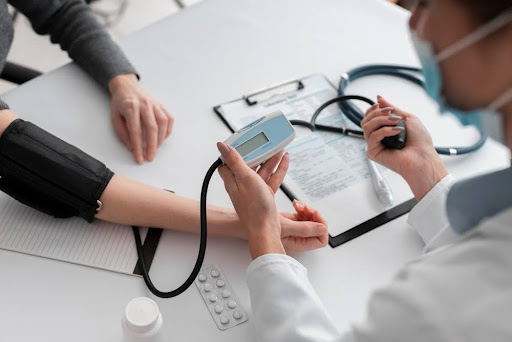
Depending on your package, screenings can take between 30 minutes to half a day. Some clinics provide same working day results for basic tests. A nurse or doctor will guide you through steps such as vital signs measurement (blood pressure, BMI), blood tests, urine tests, and imaging (e.g., X-ray, ultrasound). Afterwards, a consultation with a healthcare provider will be done to review results and advise on next steps if necessary.
Conclusion
Health screenings are more than just routine—they are proactive steps toward safeguarding your well-being. Whether it’s early detection of cancer or reviewing your overall health condition, these tests empower you to take control. In Malaysia, schemes such as the Community Health Assist Scheme (CHAS) can make screenings more accessible. Understanding health screening and its options may give clearer insight into your health and future.
Articles on this site are independently edited patient guides for Malaysia. They are rewritten for local readers, exclude clinic promotions, and must not be copied from other publishers.