
Parasitic STIs – Scabies — Malaysia Patient Guide
DTAPclinic Editorial · Information only
Published · STD & HIV· Independent health education for Malaysia — not a clinic and not medical advice.
Overview
This independent guide from DTAPclinic covers STD and HIV testing, prevention, and clinic visit expectations for readers in Malaysia. Below we explain parasitic stis – scabies — malaysia patient guide in accessible language. Content is for education only and is not medical advice, diagnosis, or a substitute for care from a registered provider.
Scabies are one of the more uncommon STIs (Sexually Transmitted Infections) present in Malaysia. As it is rarely seen in a clinic setting and the signs are often unremarkable, it can be easily missed by both patient and the doctor. So what exactly is scabies? We will talk about it in a little more detail and how it is relevant to you and your sexual health.
Scabies – The hidden itch
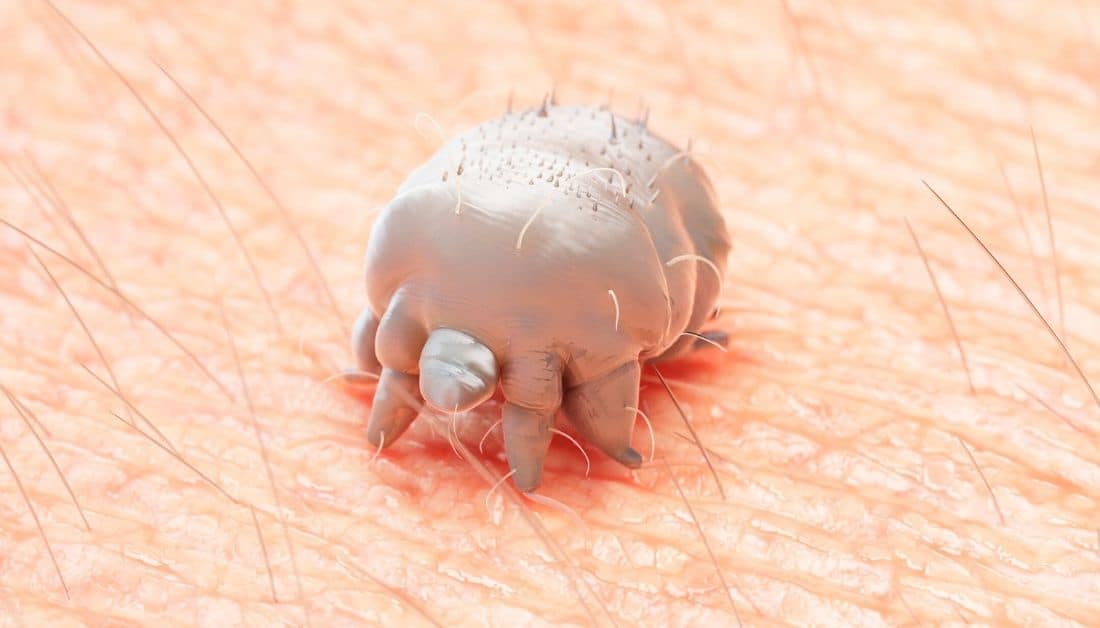
Scabies are not an infection, but an infestation of microscopic mites, Sarcoptes scabiei. These tiny eight-legged creatures live within the human skin. After mating, female mites will burrow through the epidermis causing skin damage and lay eggs within the burrows. Larvae, after hatching, will grow and continue the whole lifecycle.
Signs and Symptoms
These burrowing caused by the mites do not actually cause pain, but the allergic reaction to the mites, faeces and eggs leads to an intense itching that is typically worse at night. The itching starts 3 to 6 weeks after initial infestation. The typical physical finding is a extremely itchy pimple-like rash in areas such as: Between fingers Armpits Wrist Elbow Genitalia Waist Buttocks The back and the head are typically spared, except in very young infants. Another more serious variant is Norwegian Scabies. This happens in patients with compromised immune systems, for example patients with HIV , lymphoms or long term steroid use. The mites will form deep, scaly rashes which are highly infectious.
How does one get it?
Scabies can be spread through direct and prolonged skin to skin contact, for example between family members or sexual partners. Casual contact is highly unlikely to spread scabies. Scabies can also be spread through indirect contact. As the scabies mites can survive up to 36 hours off a host, they can be indirectly transmitted through sharing clothes, bedding, towels with an infected individual. To prevent scabies, avoid skin to skin contact with infected individuals and do not share clothes and bedding. Condoms are NOT useful in preventing transmission as scabies spread through direct contact and not through body fluids and secretions.
Treatment options
Thankfully, scabies can be treated. A topical preparation known as Permethrin can be applied as a single dose to the whole skin from scalp to toe. Commonly, a single application is sufficient for eradication of scabies. An antiparasitic agent known as Ivermectin can also be given orally for eradication with good effect. To prevent re-infection, all contaminated clothing and bedding should be thoroughly laundered with hot water. To summarise, if you find mysterious pimple-like rashes which are intensely itchy after an exposure, see your doctor for further advice! Next read: CRABS STDS – PUBIC LICE Make An Appointment Find A Doctor
Articles on this site are independently edited patient guides for Malaysia. They are rewritten for local readers, exclude clinic promotions, and must not be copied from other publishers.