
Mycoplasma Hominis — Malaysia Patient Guide
DTAPclinic Editorial · Information only
Published · STD & HIV· Independent health education for Malaysia — not a clinic and not medical advice.
About this guide
This independent guide from DTAPclinic covers STD and HIV testing, prevention, and clinic visit expectations for readers in Malaysia. Below we explain mycoplasma hominis — malaysia patient guide in accessible language. Content is for education only and is not medical advice, diagnosis, or a substitute for care from a registered provider.
What is Mycoplasma hominis?
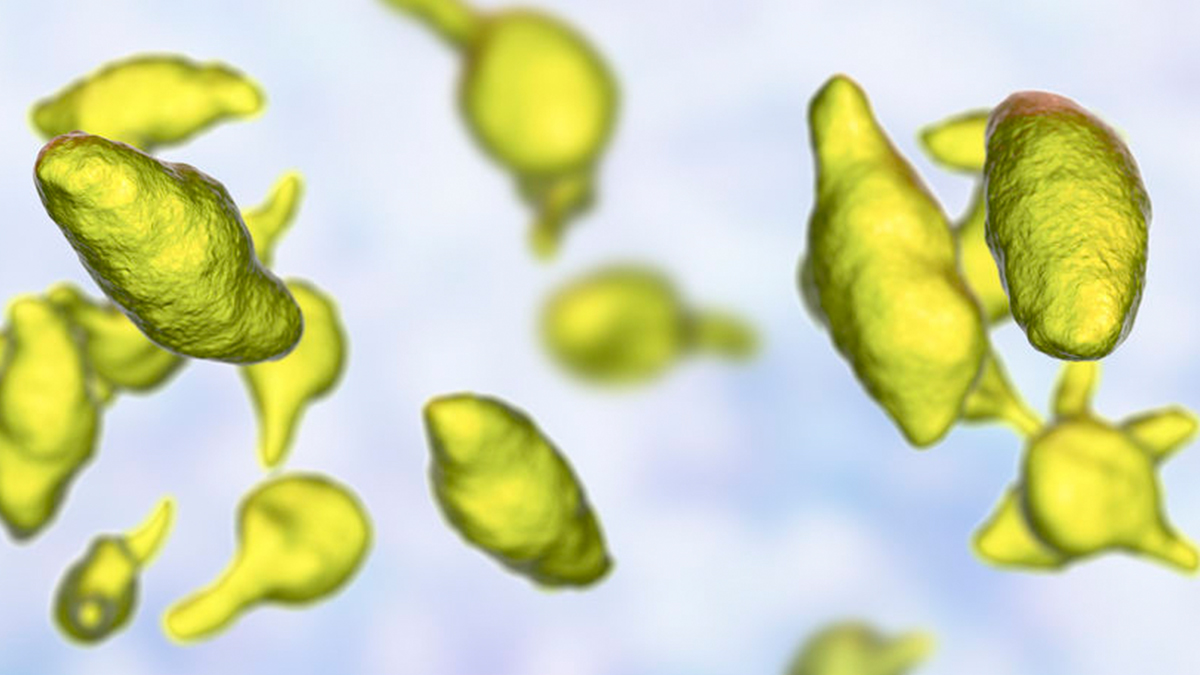
Mycoplasma hominis is a tiny bacterium which can be transmitted through sexual contact. It is a member of the Mycoplasma spp. family which also include Mycoplasma genitalium .
How is Mycoplasma hominis transmitted?
Mycoplasma hominis is most commonly transmitted through sexual contact – genital-to-genital intercourse as well as oral-genital intercourse. It can also be transmitted from mother to neonate during vaginal delivery. Most infections are acquired in sexually active adults and colonization, which is when one carries the bacterium but has no symptoms, can occur.
What are the symptoms of Mycoplasma hominis?
Many individuals with Mycoplasma hominis may be asymptomatic, i.e. they have no symptoms whatsoever. In men who do experience symptoms, they may notice possible symptoms of urethritis (inflammation of the urine tube) – pain or discomfort in the urine tract/when passing urine or penile discharge. Women with Mycoplasma hominis infrequently have symptoms. That said, Mycoplasma hominis can be associated with bacterial vaginosis , a vaginal infection with overgrowth of bacteria that are not normally part of the normal vaginal flora. Also read: Common Medical Conditions That Are Asymptomatic
What are possible complications of Mycoplasma hominis?
While there is some research that suggests Mycoplasma hominis infection may be possibly associated with complications in pregnancy and that it may have a correlation with developing pelvic inflammation and infertility, there is currently no consensus or conclusive data about this.
How is Mycoplasma hominis diagnosed and treated?
Mycoplasma hominis can be diagnosed through a culture test, where the bacterium is grown from either a urine sample (if from a male) or a swab sample (if from a female), or a PCR test, which looks for the presence of the bacterial DNA in the aforementioned samples. Various types of antibiotic treatment can be used to clear a Mycoplasma hominis infection. That said, the choice of antibiotics will depend on whether the specific strain of Mycoplasma hominis isolated has any antibiotic resistance or not.
How can I prevent or avoid Mycoplasma hominis?
As with all STDs, safe and responsible sexual practices are crucial in prevention of Mycoplasma hominis infection. These include using barrier protection if possible e.g. condoms, doing regular sexual health screening and also ensuring that you know your sexual partner’s infection status. Next read: 10 things you didn’t know about this STD: Mycoplasma Genitalium Also See: Anonymous HIV Testing Malaysia Women’s Clinic STD Testing STD Screening @ self-testing options at selected clinics
Articles on this site are independently edited patient guides for Malaysia. They are rewritten for local readers, exclude clinic promotions, and must not be copied from other publishers.