
Do Men Get Yeast Infections? (Candidiasis) — Malaysia Patient Guide
DTAPclinic Editorial · Information only
Published · Circumcision· Independent health education for Malaysia — not a clinic and not medical advice.
Overview
This independent guide from DTAPclinic covers clinic services and patient education for readers in Malaysia. Below we explain do men get yeast infections? (candidiasis) — malaysia patient guide in accessible language. Content is for education only and is not medical advice, diagnosis, or a substitute for care from a registered provider.
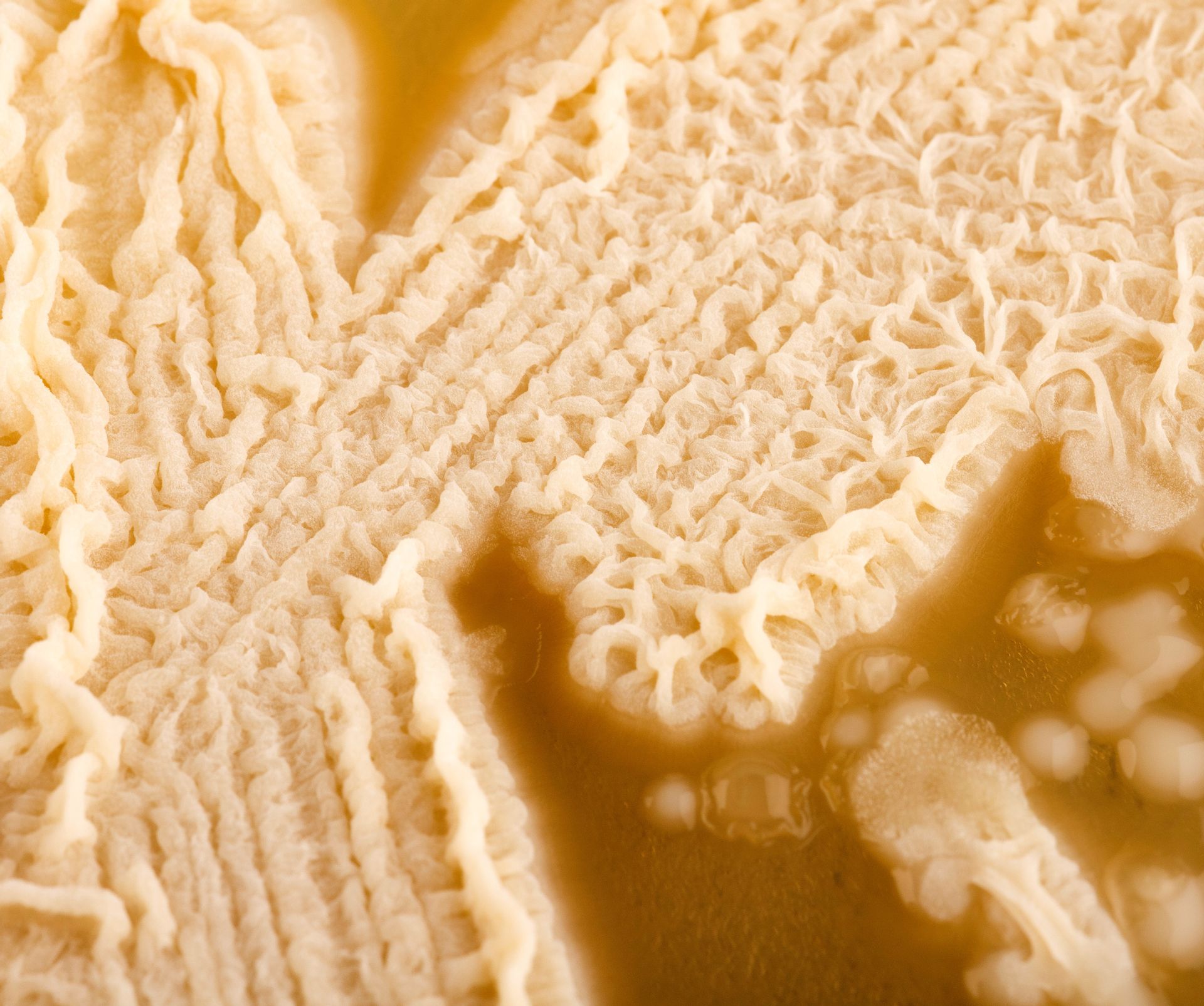
Yeast infections in men are among the most prevalent medical conditions that we see at registered clinics in Malaysia. Also known as Candidiasis, this is a fungal infection caused by the Candida species, most common of which is Candida Albicans . Candida normally lives on the skin and inside the body, such as the mouth, gut, and vagina, without causing any problems. That said, it can cause infections if it grows out of control or if it migrates deep within the body, for example the bloodstream or internal organs. Although vaginal yeast infections are more common, men can get yeast infections too. This is known as Candida Balanitis. Also Read Balanitis . Balanitis affects as many as 1 in every 25 boys and 1 in every 30 uncircumcised males, and it can happen at any age. According to a report published in the journal Clinical Microbiology Reviews , Candida yeasts are responsible for 30 to 35 percent of all cases of balanitis.
What are the Symptoms of Yeast Infection in Men?
Symptoms of Candida Balanitis include: Burning and itching around the head of the penis, which worsens after having sex Redness and swelling Tight, shiny skin on the head of the penis Pain during urination or sexual intercourse A thick, lumpy discharge under the foreskin An unpleasant odour Difficulty retracting the foreskin More severe symptoms include ulceration of the penis and fissuring or cracking of the foreskin. Complications are rare, but in the worst cases of recurrent balanitis, on top of all the symptoms mentioned before, individuals may also develop urethral strictures causing difficult urination, and inability to retract the foreskin. This is termed Balanitis Xerotica Obliterans (BXO).
Who is at Risk for Candidiasis?
The risk factors for Candida Balanitis include: Being uncircumcised Phimosis , or tight foreskin Usage or prolonged usage of antibiotics, which eliminate the good bacterial flora that normally exist on the surface of the penis and keeps Candida in check Diabetes Medical conditions that cause impairment of the immune system, particularly Human Immunodeficiency Virus (HIV) Usage or prolonged usage of corticosteroids Obesity Poor hygiene practices
Causes of Yeast Infection in men
In uncircumcised men, the foreskin covers the head of the penis most of the time, creating a warm and moist environment beneath the foreskin. This is an ideal condition for Candida colonisation. In addition, poor hygiene practices allow a gradual buildup of dead skin cells, remnant urine and soap particles to get trapped beneath the foreskin that will result yeast infection in men. On the other hand, overzealous washing with perfumed shower gels or soaps may also cause skin irritation. Another potential contributing factor is when a man has sexual intercourse with someone who has a yeast infection in men. All these could lead to Candida overgrowth resulting in Candida Balanitis.
Is It a Sexually Transmitted Infection (STI)?
Although Candida Balanitis can occur as a result of sexual intercourse, it is not considered as an STI because men can get the infection without having sex.
Prevention of Yeast Infection in Men
Practising good hygiene is essential. The following are some hygiene tips: Fully retract the foreskin if possible, and wash under the foreskin and around the head of the penis daily using warm water It is not advisable to use soap as it may irritate the skin. Instead, a neutral soap-free cleanser can be used Dry the head of the penis gently after washing When passing urine, retract the foreskin so that urine does not get under the foreskin. After passing urine, dry the end of the penis before repositioning the foreskin Wash and dry the penis after sexual intercourse and masturbation Men with diabetes can reduce their risk of balanitis by carefully controlling their blood sugar.
Treatment Options for Yeast Infection in Men
Candida Balanitis can be easily treated with antifungal drugs called azoles. Your doctor may prescribe you either a course of oral or topical medications or both. If there is marked inflammation or itching, your doctor may prescribe an antifungal ointment that also contains hydrocortisone, which is a mild steroid. If concomitant bacterial infection is present, antibiotics may be prescribed as well. If an individual and his partner both have symptoms of yeast infection, it is important that both receive treatment in order to avoid reinfection. The long term solution is to undergo a circumcision. This procedure removes the foreskin completely and exposes the head of the penis, thus eliminating the risk of future Candida overgrowth. Circumcision is especially advised in cases of recurrent balanitis to prevent the development of BXO.
Articles on this site are independently edited patient guides for Malaysia. They are rewritten for local readers, exclude clinic promotions, and must not be copied from other publishers.