
A Guide To HIV PrEP and HIV PEP – Pills for HIV Prevention
DTAPclinic Editorial · Information only
Published · HIV & AIDS· Independent health education for Malaysia — not a clinic and not medical advice.
Overview
This independent guide from DTAPclinic covers STD and HIV testing, prevention, and clinic visit expectations for readers in Malaysia. Below we explain a guide to hiv prep and hiv pep – pills for hiv prevention in accessible language. Content is for education only and is not medical advice, diagnosis, or a substitute for care from a registered provider.
Nearly every day here I see a person who is super anxious and has put their life on hold for anywhere from a month to three months in fear that they have contracted HIV from a momentary lapse of judgement. You can lose sleep, your appetite, your hair can fall, you can be visibly emaciated as well with this amount of stress in life on a daily basis for such a long period. When it comes to staying safe against HIV in a lifestyle where one is exposed to the virus, it is crucial that one adopts multiple precautionary measures against transmission of HIV. Apart from choosing partners wisely (we always encourage STI testing prior to being sexually active with someone) and using condoms, there is an additional safety precaution when it comes to safeguarding yourself against HIV transmission. So in this article, let’s talk about the HIV medication you can take to help protect yourself against HIV. Basically, this is a lifestyle choice that you’d have to make based on as much information as possible. Let’s go over some of the details right.
First off, what is HIV and why are we so worried about it?
Would you like to hear the scary part first? Basically, after decades of studying the virus, we still do not have a cure for it. Now, that doesn't mean everyone with HIV will die of HIV complications but more that if you do pick up HIV sometime in your life, chances are you’ll die with the HIV still in you. How’s that for a daily nightmare?
HIV Infection
HIV stands for Human Immunodeficiency Virus. HIV is a virus spread through certain body fluids that attacks the body’s immune system, specifically the CD4 cells , often called T cells. Now, once the virus starts infecting the cells, it goes on a continuous rampage of self-replication and destruction. Basically the more of the virus that is present, the worse of an infection it can create. Over time, HIV can destroy so many of these cells that the body can’t fight off infections and disease. Untreated, HIV reduces the number of CD4 cells (T cells) in the body. This damage to the immune system makes it harder and harder for the body to fight off infections. So imagine your body is fighting a losing battle with HIV, other bacteria, virus and fungi know that your body is already weakened and they do attack the body at that time. These are called opportunistic infections. So in combination of HIV and opportunistic infections (see: 10 Common HIV Opportunistic Infections ), the body gets worn down over time until it succumbs to these infections.
What is AIDS (Acquired Immuno-Deficiency Syndrome)?
AIDS is the most severe phase of HIV infection ; basically, it's the bigger, older, more aggressive older brother that will stop at nothing until your organs cease to function as intended.
HIV mode of transmission
Only certain body fluids—blood, ejaculate or pre-ejaculate material, rectal fluids, vaginal fluids, and breast milk—from a person who has HIV can transmit HIV. Bear in mind that a simple contact or a touch gesture does not guarantee transmission of the virus. These fluids must come in contact with a mucous membrane or damaged tissue or be directly injected into the bloodstream (from a needle or syringe) for transmission to occur.
How Would I Know if I Picked Up the Virus?
Acute Retroviral Syndrome (ARS) – Initial HIV symptoms There are a few stages to an HIV infection . The very first few symptoms can occur within five to 12 days of exposure to the virus . This is the ARS ( Acute Retroviral Syndrome ) phase. Now this stage is particularly challenging to diagnose because more often that now, you wouldn’t even go through this phase. In the off chance that you do have ARS, the symptoms can be so vague and misleading that it may be discarded as something completely different if you do not provide a history of a situation where you might have picked up HIV. If at any time after a potential exposure episode you happen to develop features as listed below, it would be wise to seek medical attention as soon as you can. Fever – This is usually a high-grade temperature (>38.5) accompanied with chills, tremors, and the occasional night sweats Rash – Look out for an upper chest angry rash that is reminiscent of a chicken pox rash. Think red, fast growing, vesicular like rashes that can be painful or uncomfortably itchy in general. Muscle aches – That feeling that your body is heavy and you just don't want to get out of bed. A sore throat Swollen lymph nodes – Look out for any abnormal swelling around your neck, behind your neck and under your armpits especially Mouth ulcers So ideally these HIV symptoms will all come in about the same time with a recent history of potential exposure. This can prompt your physician towards a diagnosis of HIV ARS. It’s also important to recognise which stage the virus is in so we can expect certain infections and treatment with the aim of covering as wide a net as possible when dealing with HIV. That being said, we’re here to emphasize protecting yourself against HIV instead of being vulnerable to it and its effects on life in general. As I earlier mentioned, nearly every day we see people who lose weeks worth of sleep being so anxiously paranoid that they might have picked up HIV. The ideal would definitely be the prevention of HIV transmission to begin with.
We’ll start with Pre-Exposure Prophylaxis (PrEP)
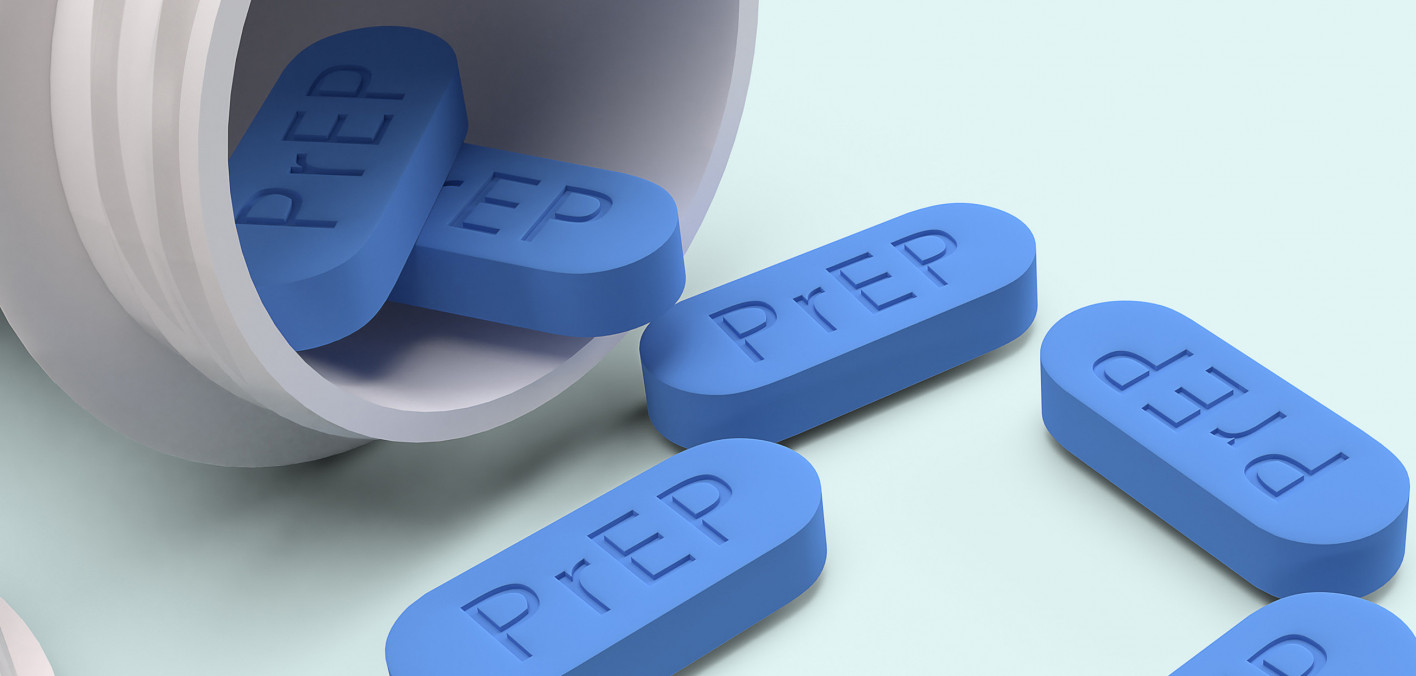
This can be where the modernisation of medicine plays a huge part in society. The idea of Pre-exposure prophylaxis or PrEP is that it works similar to how a vaccine would in terms of offering protection against a disease. The premise is simple. You take a tablet once a day and if taken correctly; combined with safe sexual practices, and there are no other complications, there is an up to 99% chance you will not get HIV if ever exposed to the virus. HIV PrEP is basically using anti-retroviral medication (basically HIV medications) to prevent the acquisition of HIV infection by an uninfected person. PrEP is offered here in the form of a combination tablet containing tenofovir and emtricitabine (both medications we use to treat HIV).
Descovy As New HIV Medication For HIV PrEP
Descovy (brand name) is a FDA approved new drug combination of tenofovir alafenamide (TAF) + emtricitabine for use as HIV PrEP , which has shown to be equally effective in preventing HIV infection whilst touting an improved safety profile for renal and bone toxicity. Descovy is currently available in all Malaysia registered clinics in Malaysias only. It is a prescription-only medication and must be prescribed by a doctor. Speak to our doctors for more information about Descovy and find out if a HIV-1 treatment that contains Descovy is right for you.
Can Anyone Take HIV PrEP?
HIV PrEP was initially created for people who are in the high risk group for contracting HIV. This included people whose spouses were HIV positive. Trying to have a healthy relationship is trying enough as it is. HIV PrEP allows for intercouse with a significant less amount of stress and worries about contracting HIV. Among other people who are in this high risk group include people who: are sexually active in the last 6 months and NOT in a sexually monogamous relationship with a recently tested HIV-negative partner, and who is a man who has sex with men , and who… (see: STD risk from unprotected Anal Sex in Men ) engage in anal sex has had a sexually transmitted infection in the past 6 months or is a sexually active adult (male or female with male or female partners), and who… is bisexual (riskier if you have a very active sex life with multiple partners at the same time) has sex with partners at increased risk of having HIV (e.g. injection drug users, men who have sex with men) without consistent condom use. As we have evolved into prescribing PrEP, we realised that the level of protection it offers should not be confined to a certain group of people but to anyone who is wanting that added layer of protection against HIV transmission. So really, all you have to do is to speak to your doctor, undergo a few simple tests to ascertain that you are healthy and have had no exposure to HIV prior to that before starting PrEP. When you first start PrEP you may experience side effects like: nausea dizziness headaches fatigue stomach cramps More serious side effects include: kidney problems, including failure Liver problems Reduced bone density This is why, when on PrEP, It helps to regularly monitor the health of the organs that can be affected by this medication. We’ll have to get regular blood and urine screening is done with regular HIV testing and also bone scans if necessary in some cases. It is always best to continue on these medications with the advice of a physician. Both our urban clinic areas (Malaysia) & KL Eco City (Malaysia, Kuala Lumpur) provide Anonymous HIV Testing if you wish to keep your HIV status anonymous.
1. Can I get STD even if I am on PrEP?
Yes, of course. HIV is just one type of a STI. There are other STI that aren’t even viruses but are bacteria. In these situations, taking PrEP is irrelevant to the situation. PrEP is designed to protect you against specifically HIV, not all STIs.
2. Do I still need condom even if I am on PrEP
Safe sex practices are always encouraged regardless if you are on PrEP or not. Basically, it is better to be safer really. Using a condom adds another barrier of safety in terms of picking up an HIV infection so really, why compromise on that?
3. Do I need regular HIV testing?
This can be indeed encouraged. Its best to go for regular routine check-ups & HIV Testing and discuss your lifestyle and potential risk encounters with your physician to clarify any doubts. We’d also need to confirm that you are not already exposed to the virus before or during your time on PrEP.
Articles on this site are independently edited patient guides for Malaysia. They are rewritten for local readers, exclude clinic promotions, and must not be copied from other publishers.