
16 Frequently Asked Questions About Hepatitis B — Malaysia Patient Guide
DTAPclinic Editorial · Information only
Published · STD & HIV· Independent health education for Malaysia — not a clinic and not medical advice.
Overview
This independent guide from DTAPclinic covers STD and HIV testing, prevention, and clinic visit expectations for readers in Malaysia. Below we explain 16 frequently asked questions about hepatitis b — malaysia patient guide in accessible language. Content is for education only and is not medical advice, diagnosis, or a substitute for care from a registered provider.
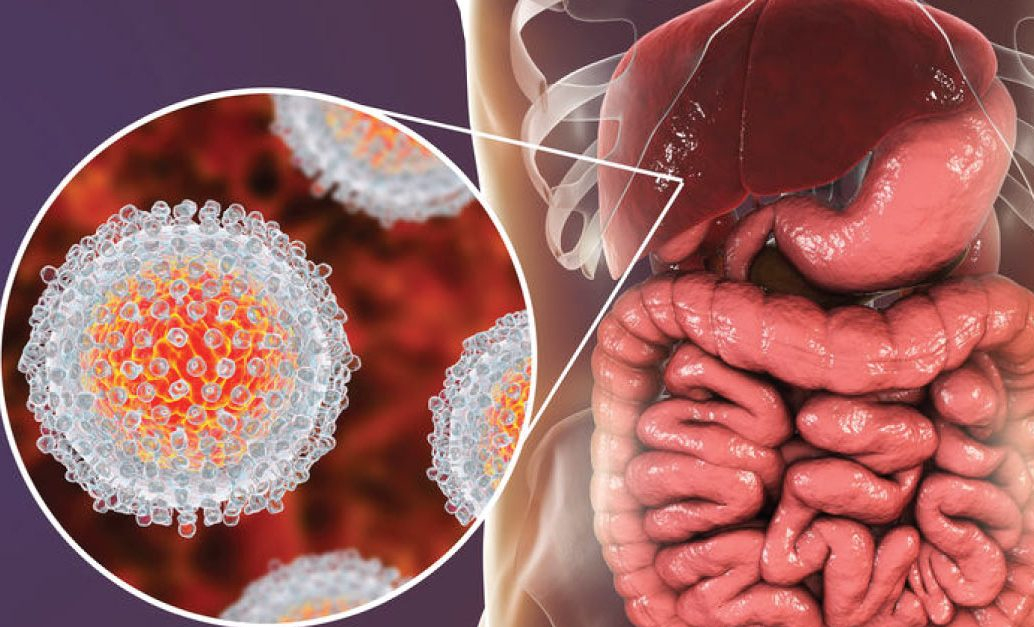
Hepatitis B virus (HBV) is the most common human hepatitis virus in Malaysia. Hepatitis B is an infection of the liver caused by a virus called Hepatitis B virus. It can cause an acute infection which sometimes results in the person becoming a carrier (ie. Persistent infection). Locally, 6% of the Malaysia population are hepatitis B carriers. Those who test positive for hepatitis B for more than 6 months after the first test, are diagnosed as chronic. Having chronic hepatitis B increases your risk of developing liver failure, liver cancer or cirrhosis — a condition that permanently scars of the liver. A vaccine can prevent hepatitis B, but there's no cure if you have the condition. If you're infected, taking certain precautions can help prevent spreading the virus to others.
1. Factors that have led Hepatitis B to become one of the biggest health threats in the Asia-Pacific region?
There are approximately 300 million chronic HBV carriers in the world, of whom 75% are found in the Asia Pacific region. U p to 50% of people who are newly infected have no symptoms. As the infection can lead to a chronic infection where majority of them have no symptoms, they are unaware that they are carriers and there can easily pass it to their partners and from mothers to their unborn child.
2. How does one get infected with Hepatitis B?
Sex with an infected partner Injection drug use that involves sharing needles, syringes, or drug-preparation equipment Birth from an infected mother Contact with blood or open sores of an infected person Needle sticks or sharp instrument exposures Sharing items such as razors or toothbrushes with an infected person Hepatitis B (HBV) does not spread through the sharing of food, water, utensils, breastfeeding, hugging, kissing, hand holding, coughing, or sneezing.
3. What are the symptoms of a Hepatitis B infection?
Newly acquired (acute) Hepatitis B (HBV) infections symptoms arise occasionally. The presence of signs and symptoms varies by age. Most children under age 5 years and newly infected immunosuppressed adults are generally asymptomatic, whereas 30%–50% of persons aged ≥5 years have signs and symptoms. Symptoms include: Fever Fatigue Loss of appetite Nausea Vomiting Abdominal pain Dark urine Clay-colored bowel movements Joint pain Jaundice Some acute HBV infections will resolve on their own, but some will develop into a chronic infection. Most people with a chronic HBV infection are asymptomatic and have no evidence of liver disease. Approximately 90% of infants and 25%–50% of children aged 1–5 years will remain chronically infected with HBV. By contrast, approximately 95% of adults recover completely from HBV infection and do not become chronically infected.
4. How long does it take for the symptoms of Hepatitis B to show?
The symptoms appear an average of 90 days (range: 60–150 days) after exposure to HBV. If they develop yellowing of the whites of the eye, yellowing of the skin with vomiting, abdominal pain and drowsiness, they should seek medical attention as soon as possible.
5. If the symptoms are not obvious, how then would an infected person know?
Given the prevalence of chronic Hepatitis B carriers in our region, the best advice would be to go for a blood test to screen for Hepatitis B.
6. What are the dangers that one could face, if his or her Hepatitis B condition becomes chronic?
It may result in liver cirrhosis (hardening of the liver) or liver cancer.
7. How long before an infected person is deemed to have chronic Hepatitis B?
We will diagnose the person as a chronic Hepatitis carrier if the Hepatitis B surface antigen remains positive in their blood test result for 6 months or more.
8. How will a person be diagnosed, if he or she is suspected of being infected with Hepatitis B?
Through a blood test looking at the Hepatitis B surface antigen and Hepatitis B surface Antibodies; a Hepatitis B core antigen is used to distinguish active from past infection.
9. What is the difference between Hepatitis B surface antigen and Hepatitis B surface antibody?
A Hepatitis B antigen detects the actual part of the virus and the antibody detects the body’s immune response to that same part of the virus. HBsAg will be detected in an infected person’s blood an average of 4 weeks (range: 1–9 weeks) after exposure to the virus. About 1 of 2 patients will no longer be infectious by 7 weeks after onset of symptoms, and all patients who do not remain chronically infected will be HBsAg-negative by 15 weeks after onset of symptoms.
10. What are some of the ways in which Hepatitis B is treated?
There is no specific treatment; only supportive care. In many cases, chronic Hepatitis B carriers do not need treatment but they will require 6 month follow up with blood tests and/ or ultrasound liver for the rest of their lives. In cases where Hepatitis B carriers require treatment, the treatment may involve immune molecules or antiviral medications.
11. Can Hepatitis B be transmitted from an infected mother to her newborn? How can this be avoided?
Yes, mothers can transmit Hepatitis B to their newborn. The best way to avoid passing the infection to their newborn is to get tested for Hepatitis B when they are pregnant or prior to starting a family. If they are not being infected with Hepatitis B and are not immune to Hepatitis B, they should consider getting a vaccination.
Articles on this site are independently edited patient guides for Malaysia. They are rewritten for local readers, exclude clinic promotions, and must not be copied from other publishers.